
Five Questions That Separate Real Buyers From Brokers
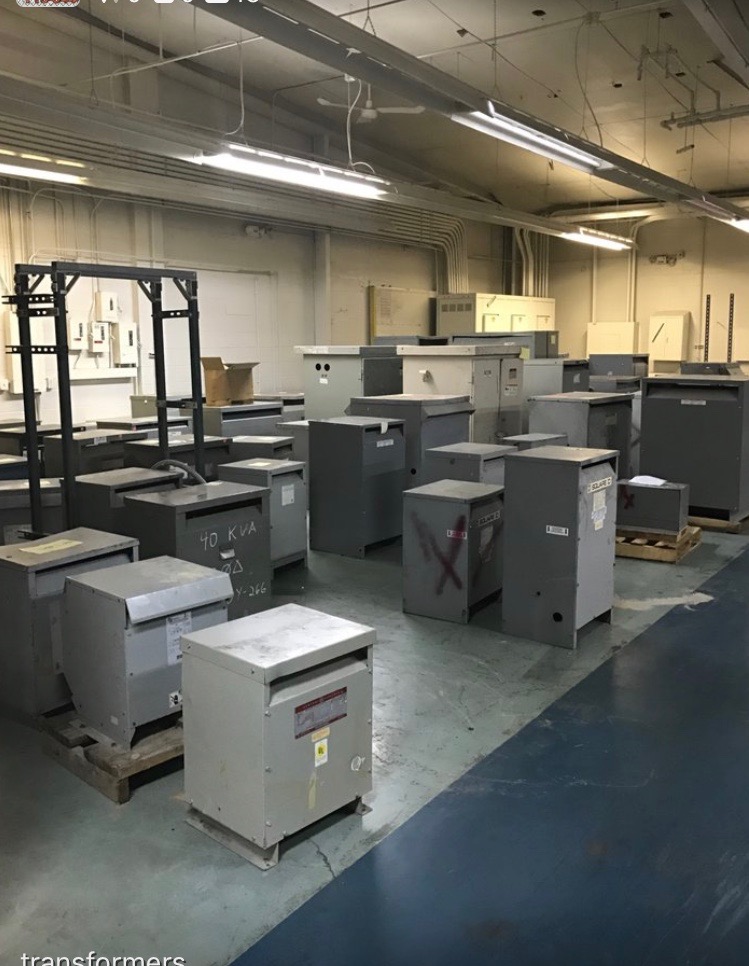
The surplus world has real buyers — companies with trucks, warehouses, and checkbooks — and it has middlemen who shop your photos around and vanish when their buyer falls through. Both look identical online. These five questions sort them fast, and yes, we've included our own answers.
1. "When and how do I get paid?"
The only good answer is at pickup, or on arrival for shipped lots. "Net 30 after our customer pays" means you're financing a broker's deal. (Us: check or cash at pickup; ship-ins paid the day they arrive and verify.)
2. "Who arranges and pays for freight?"
Real buyers own the logistics — labels, trucks, riggers, all on their account. If freight is somehow your problem, the offer isn't the offer. (Us: always on our account, all three modes — pallet, truck, rigging crew.)
3. "What happens if the count or condition differs at pickup?"
Fair answer: the price adjusts for genuine differences, transparently, item by item. Bad answer: a vague shrug that becomes a 40% haircut once the gear's on their truck. Ask before, not after. (Us: quote assumes the photos are accurate; if they are, the number doesn't move.)
4. "Where does the equipment physically go?"
A real buyer has a real warehouse and can tell you where it is. A broker has a storage unit or a drop-ship arrangement. Not disqualifying, but you deserve to know who you're actually dealing with. (Us: our warehouse in Corona, California — locals are welcome to drop by.)
The answers that separate real buyers from tire-kickers
A few questions sort the field quickly. Ask when payment happens — 'at pickup' and 'after we resell it' are entirely different propositions, and consignment dressed up as a purchase is the most common way sellers get stuck. Ask who pays freight and rigging, because an offer that looks good until deductions appear at the dock is not really an offer.
Then ask whether the quoted number is firm. Re-trading at the dock — arriving, finding a reason to lower the price, and betting you will accept rather than reload the truck — is a real practice in this industry, and the only protection is a buyer who commits in writing and honors it.
- When exactly does payment happen?
- Is this a purchase or consignment?
- Who pays freight, rigging, and disposal costs?
- Is the quoted number firm at pickup?
- Who handles de-energization versus removal?
- What paperwork will you provide?
Warning signs worth walking away from
Some patterns reliably predict a bad transaction. A buyer who will not put a number in writing. A number that arrives without any questions about condition or access — that usually means it is not a real number yet. Pressure to commit before a site visit on a large lot. Vague answers about who covers removal costs.
The other warning sign is a quote that is dramatically higher than everyone else's. In a market where buyers all watch the same demand, a wild outlier is usually an opening number that will be revised downward at the dock.
None of this requires expertise to check. It requires asking the questions above and noticing whether the answers are specific.
5. "How long have you been doing this?"
Longevity in this business means honored quotes — word travels fast in trades, and buyers who re-trade at the dock don't last fifteen years. (Us: family-run, 15+ years, same phone number the whole time: (951) 903-9804.)