What condition do we accept?
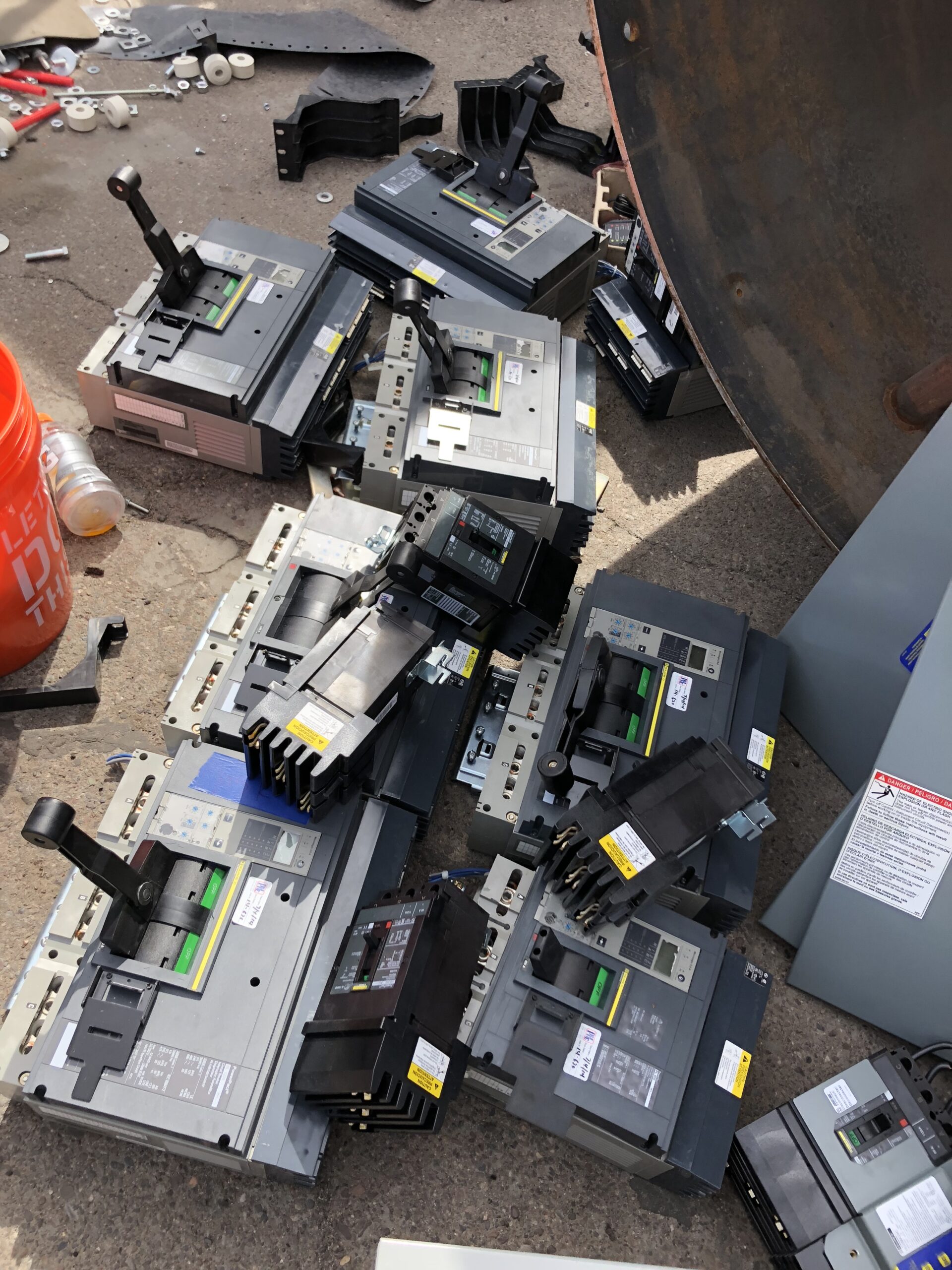
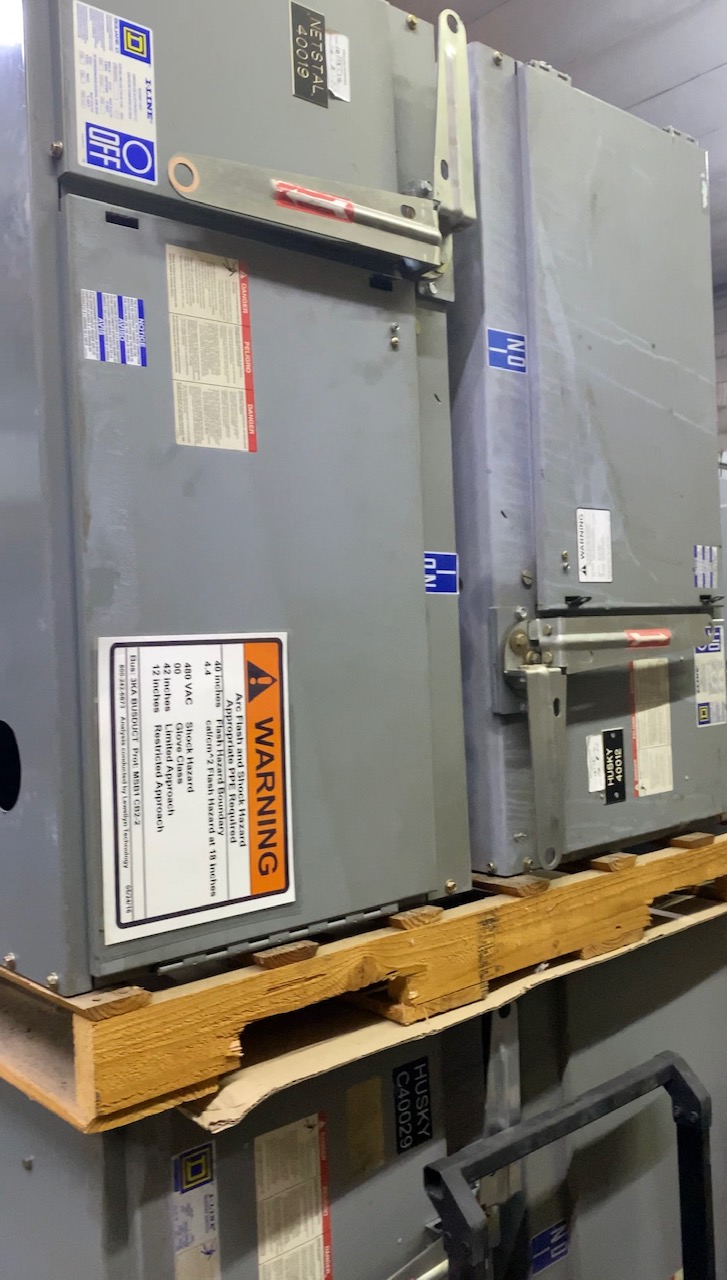
Nearly all of it. New in the box is the premium category and prices closest to wholesale. Clean used gear is the everyday business — normal service wear barely moves a number. Equipment that has been sitting in a yard or storage room for years is usually fine; dust is not damage, and obsolete is frequently an advantage rather than a defect.
What changes the answer is real damage: fire or heat exposure, flood, cracked cases, failed windings, cut bus, or units that were pried apart during removal. Those may be parts or scrap, and we will tell you plainly which category yours falls into rather than quoting high and revising at the dock.
How much do you need to have?
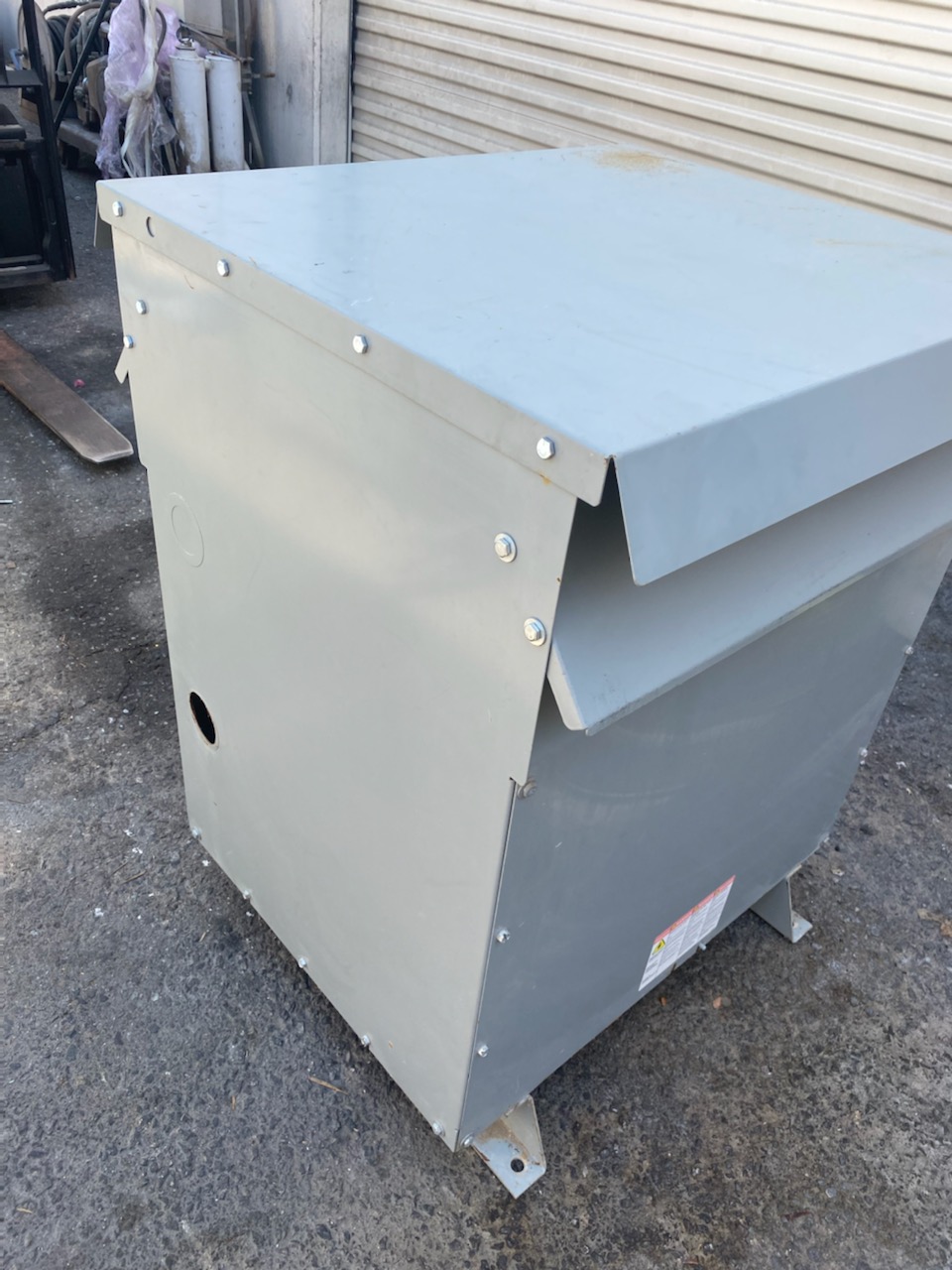
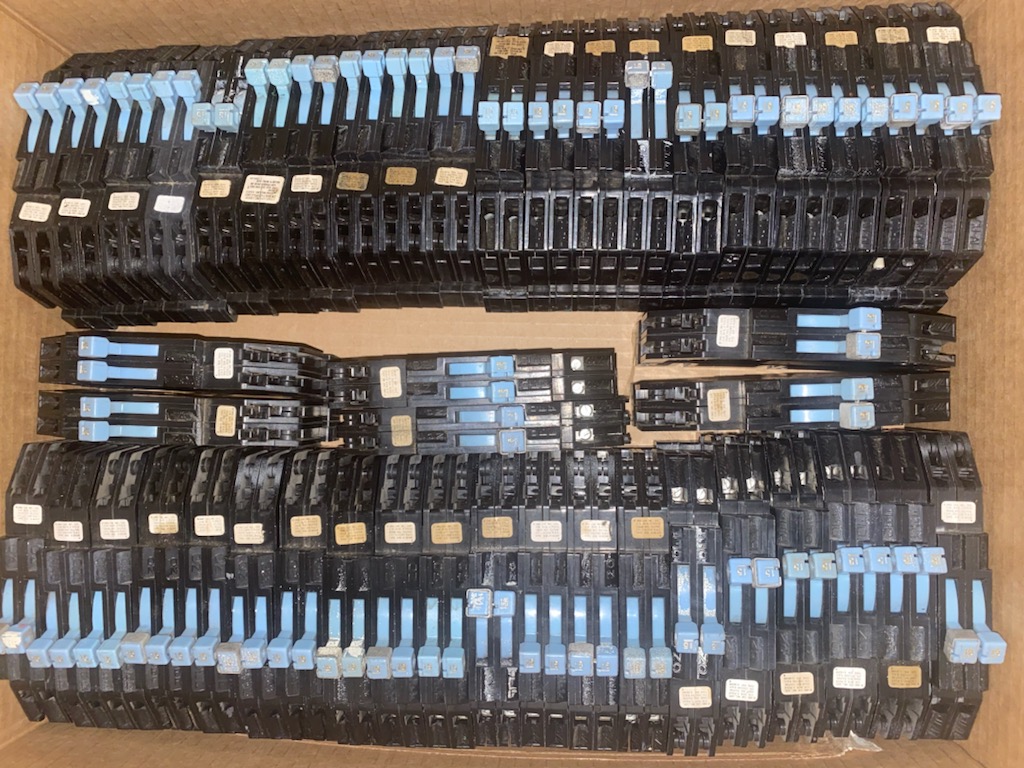
There is no minimum, but the economics differ by item. A single large breaker, a padmount transformer, or an unusual obsolete unit is worth selling on its own. Small commodity items — residential breakers, small disconnects, control components — make sense in pallet quantities or riding along with other equipment.
- One valuable item: worth a text. Large frames, drawout breakers, padmounts, complete lineups.
- A pallet or shelf: the sweet spot for breakers, switches, and control gear. Sort it and the number improves.
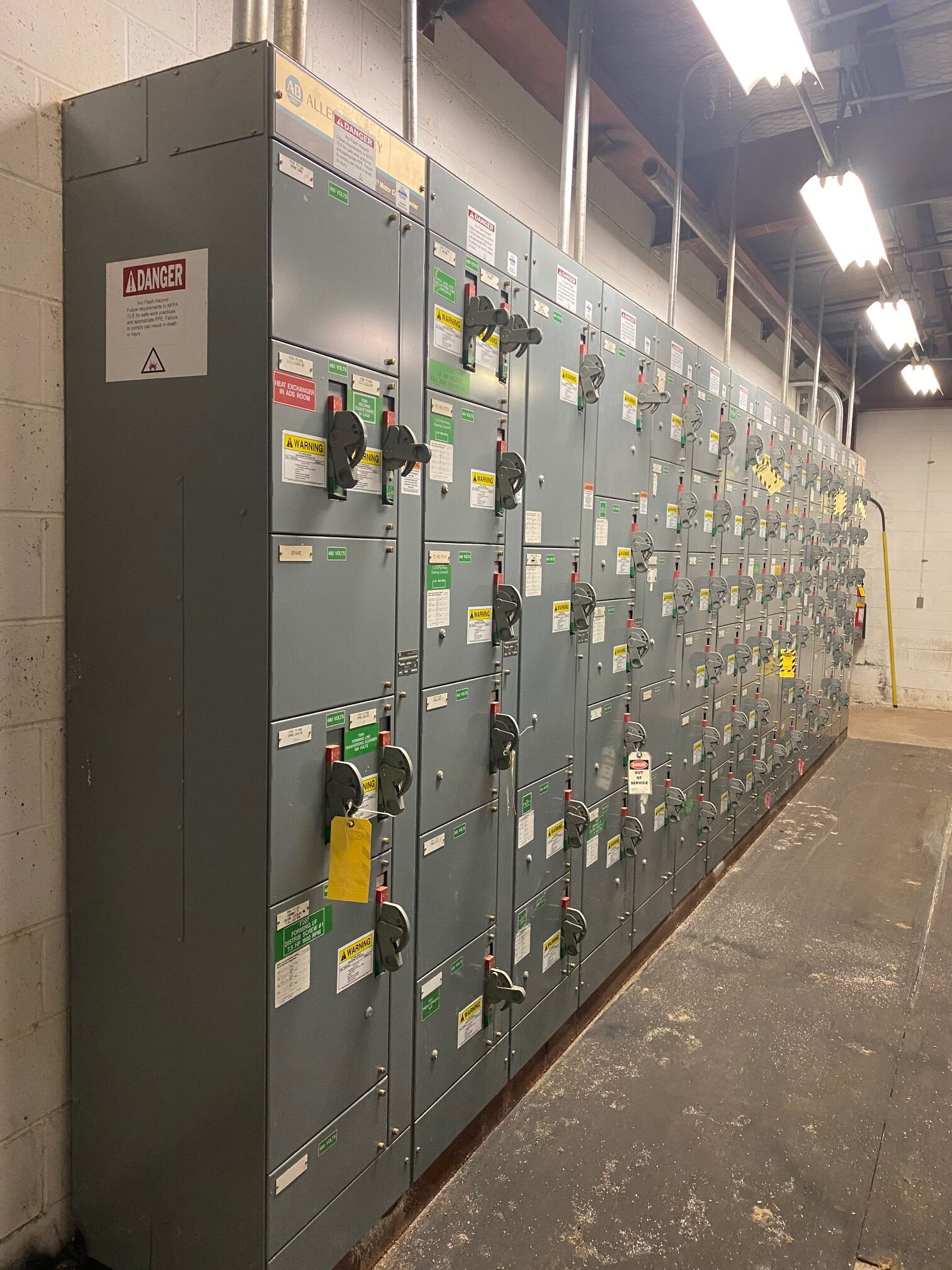
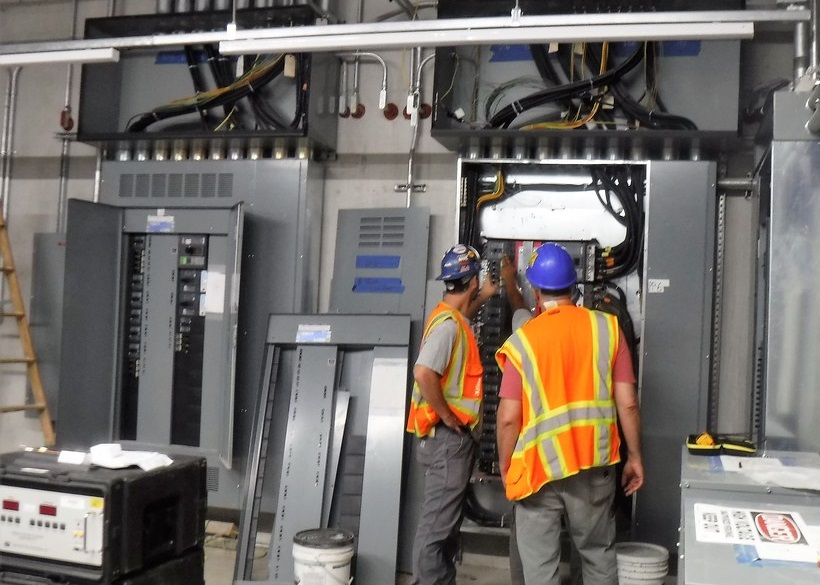
- A room or a building: we bring a crew and trucks and price the whole electrical scope at once.
What we don't buy
Being straight about the limits saves everyone time. We are a distribution and control equipment buyer, so lighting fixtures, conduit and fittings, general HVAC equipment, and consumer electronics fall outside what we handle. Bare stripped wire and tangled cut-offs are genuinely a scrapyard proposition and we will say so.
If you are unsure whether something is in scope, send the photo anyway. Guessing wrong in the direction of asking costs you one message; guessing wrong in the other direction has put a lot of valuable equipment into containers.