
Sell Your Oil Filled Transformers
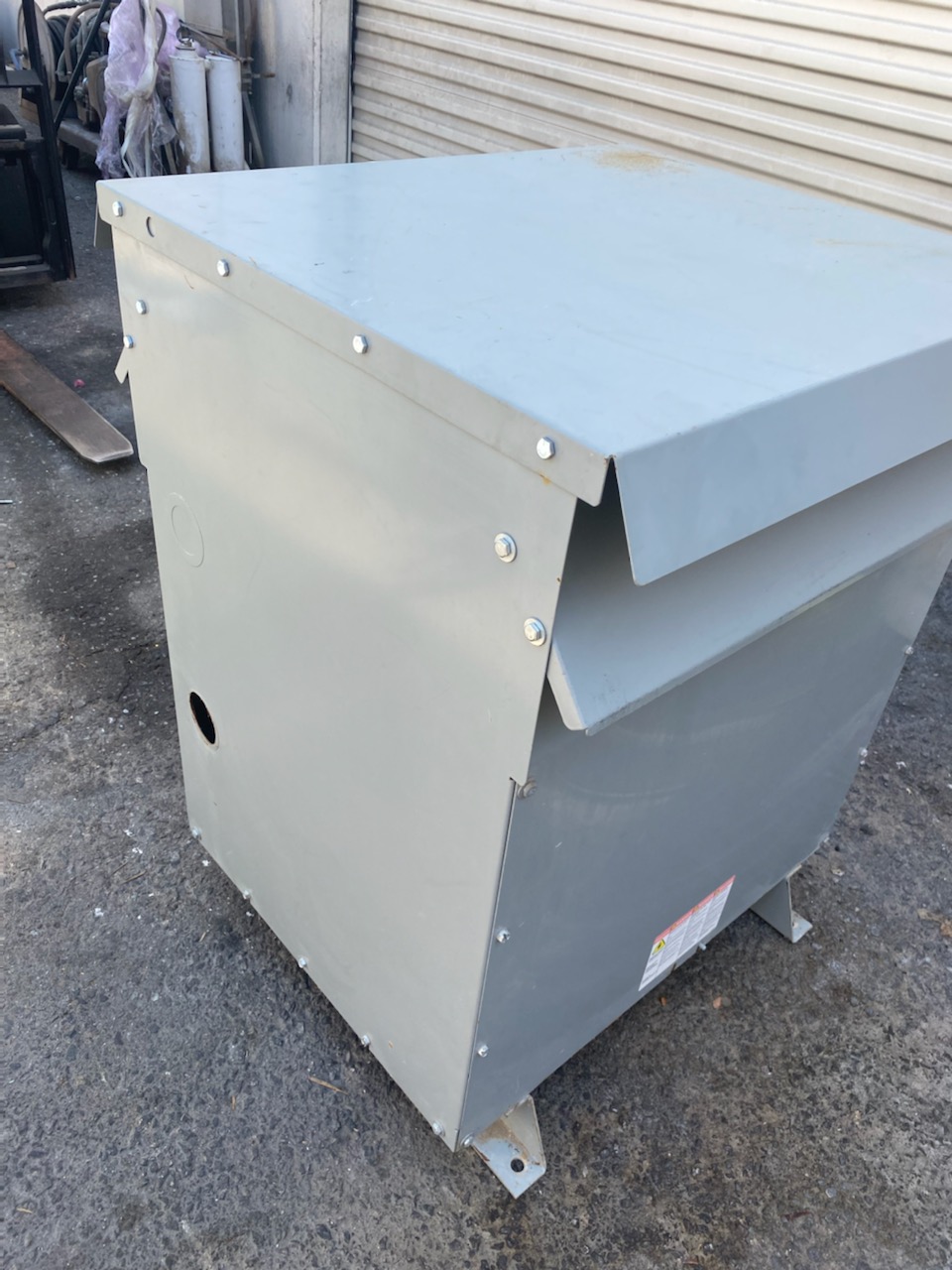
Oil filled transformers scare off most buyers — the weight, the oil, the paperwork. We've been buying them for fifteen years, so none of that scares us. Substation units, distribution transformers, pole pigs in quantity: if it's non-PCB, we'll quote it.
The nameplate tells us serial, gallons, and vintage. Photo of it plus a wide shot to (951) 903-9804 and we'll take it from there.
The non-PCB line
One rule governs everything: we buy non-PCB units (under 50 ppm). Transformers built after 1979 almost always qualify, and nameplates or oil test reports settle it. If your unit has no paperwork, we can arrange a quick oil test before pickup — a routine step, not a dealbreaker.
PCB-contaminated units are a licensed-disposal problem, not a sale — and we'll tell you that straight instead of disappearing on you like buyers who don't know the rules.
- Substation transformers, 500 KVA – 10+ MVA
- Oil filled distribution units, all voltages
- Pole-mounted transformers in quantity
- Non-PCB (<50 ppm) — verified by nameplate or test
- Complete units only — bushings and radiators intact
Big iron, big logistics, our problem
A substation transformer move involves crane scheduling, oil containment, DOT-compliant transport, and sometimes an oil drain before lifting. We coordinate all of it. Utilities, co-ops, and industrial plants sell us retired units precisely because we show up with the whole logistics package, not just a checkbook.
The copper in a large oil filled unit is substantial, which is why even a fifty-year-old retired substation transformer writes a meaningful check.
What drives a transformer's price
Four things set the number: kVA rating, voltage configuration, type, and the condition of the windings. The rating determines how many buyers exist — 75 to 500 kVA is the sweet spot because that is what most commercial buildings use. Unusual custom voltages narrow the market and soften the price.
Type changes both value and logistics. Dry-type units are easy to move and reinstall, so demand is steady. Oil-filled and padmount units hold more copper and more value, but need fluid handling and heavier equipment — costs we build into the offer rather than deducting later. Never-energized new surplus is the premium category.
| Dry-type, 15–150 kVA | Best sold in groups or with other gear |
|---|---|
| Dry-type, 150–1,500 kVA | Steady demand; strong individual value |
| Padmount, single and three phase | High value; we handle rigging and fluid |
| Oil-filled substation class | Highest per-unit value; heavy haul arranged |
| Control and instrument transformers | Bought by the pallet |
| New surplus, never energized | Premium — near-wholesale pricing |
Photographing and preparing a transformer
One photo matters more than all the others: the nameplate. kVA, primary and secondary voltage, phase, impedance, temperature rise, and often the PCB status are all printed there. A legible nameplate photo usually turns into a same-day number.
After that, show us the path out. Doorways, stair runs, dock height, overhead clearance, and how close a truck can get change the equipment we bring and therefore the offer. Photos of the route are worth more to us than extra photos of the transformer.
Do not drain the oil. A drained unit is harder to move safely, and fluid handling is our job. Leave it as it sits, de-energized and disconnected by a qualified electrician, and we will plan the rest.
- Nameplate photo first — it answers most pricing questions
- Show the removal path: doors, stairs, dock, clearance
- Leave fluid in place; we handle containment and transport
- Note anything known about fluid history or testing
- Missing nameplate is not a dealbreaker — send angles and dimensions
Before you scrap anything, send one photo
Scrap is priced by weight. Used electrical equipment is priced by what the next facility needs, and those two numbers are rarely close. A scrapyard has no reason to tell you that the item in your hand keeps a plant running somewhere.
There is no cost to finding out. Text photos to (951) 903-9804 — labels and nameplates if you can get them, wide shots if you cannot — and you will have a real number, usually the same day. If the honest answer is that your lot is only worth scrap, we will tell you that too, and you have lost nothing but a text message.
Common questions
My transformer has no test report — can you still buy it?
Usually yes. Post-1979 nameplates typically establish non-PCB status; when in doubt we arrange an oil test before pickup.
Do you drain the oil before moving?
For large units, often yes — our crew handles draining, drumming, and manifesting as part of the move. It's all included in the offer.
Do you buy single pole-mount transformers?
One isn't worth the freight, but pallets of pole pigs from line upgrades absolutely are. Utilities and co-ops: send us your retirement lists.
What about PCBs in older transformers?
Units built after 1979 are generally non-PCB, and most nameplates from that era state it. Older units can be tested. If a unit does test high we will tell you plainly what it means for value and disposal rather than going quiet.
Do you buy a single transformer?
Yes for padmounts and larger units, where one transformer justifies the trip. Small dry-types are best grouped or combined with other equipment. Tell us the rating and location and we will be straight about the economics.
Related pages
Ready to sell? Call or text (951) 903-9804 or email photos to sellelectricalequipment@gmail.com.
Got equipment to sell?
Call or text us photos. We'll give you a price and take it from there.